
Sustainable investments in the United States: return and risk perception
Over the last two decades, sustainability has moved from the margins of finance to its very core in the United States. Investors are no longer motivated solely by…

Disposable income in the United States is closely tied to the rhythm of the job market. Wages, hours worked, and job stability determine not only how much people…
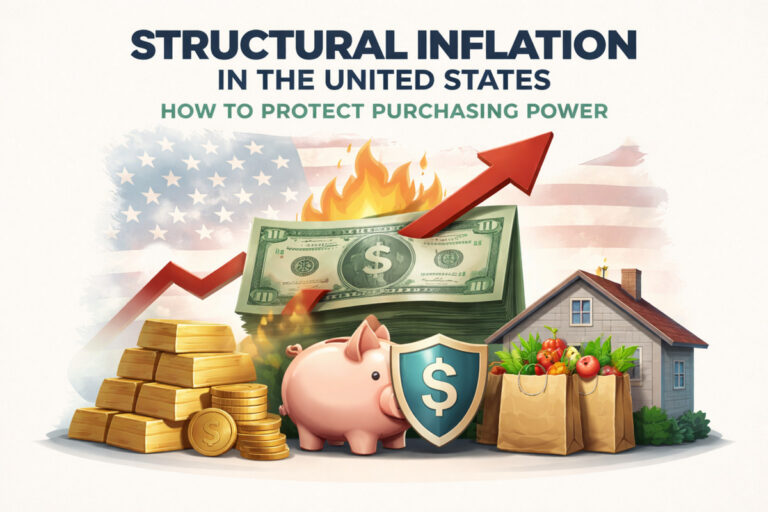
Not all inflation is a temporary spike that fades when supply chains normalize or demand slows. Structural inflation refers to price pressure rooted in deeper forces, such as…
For many middle-income families in the United States, financial stability can feel frustratingly fragile. Earnings may be steady, yet rising living costs, complex financial products, and unexpected expenses…
Buying a home in the United States often begins with a single question: how much will this loan truly cost over time? Mortgage financing is shaped by a…
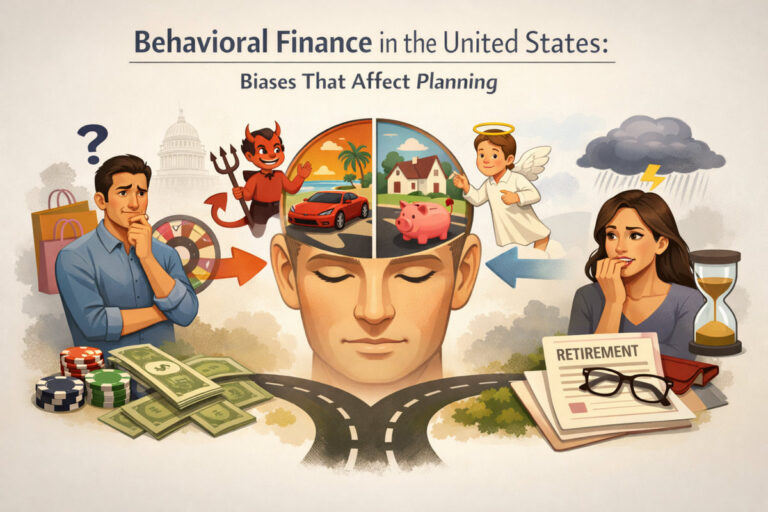
Money decisions in the United States are often presented as rational calculations, guided by numbers, forecasts, and long-term goals. In reality, emotions, habits, and mental shortcuts play a…
In the United States, money used to feel like something you handled in specific places: a bank branch, an ATM, a desk drawer with paper statements. Today, it…
Navigating the health insurance system in the United States is often as much a financial exercise as it is a healthcare decision. For millions of individuals and families,…
Planning for retirement in the United States has never been a static process. Over the past few years, private retirement arrangements have gone through notable transformations driven by…
The idea of a U.S. digital dollar has shifted from a distant “what if” to a practical debate about everyday money. Whether it arrives as a full central…